info@womansmd.net

De-Escalation Skills for Managing Difficult and High-Stress Interactions

Challenging interactions can occur in many professional environments, but the appropriate response depends on the circumstances. A healthcare worker communicating with an agitated patient, an educator responding to disruptive behavior, and an employee managing workplace conflict may use some of the same foundational communication skills while operating under very different responsibilities. Professional development in crisis prevention and de-escalation can help participants understand those common principles while considering how situational awareness, risk, safety, and professional boundaries affect their application.

Prevention Starts With Recognition

Prevention is not simply an attempt to stop a crisis after it has already developed. Professionals may have opportunities to respond much earlier by recognizing changes in behavior, communication, or emotional regulation. Early intervention can involve listening, clarifying concerns, modifying communication, considering environmental factors, or obtaining additional assistance. The appropriate response depends on the situation. Training in crisis recognition and risk assessment can help participants make these decisions without assuming that one warning sign automatically predicts what will happen next.

Verbal De-Escalation and Respectful Communication

Verbal de-escalation involves more than finding a particular phrase that calms someone down. Tone of voice, word choice, body language, personal space, active listening, and emotional self-regulation can all influence an interaction. Different people may respond differently to the same approach, which makes flexibility important. Professionals can observe the response their communication produces and adjust when appropriate. De-escalation therefore works best as an adaptable communication process rather than a rigid script.

Connecting Situational Awareness With Appropriate Response

Behavioral risk is dynamic. Someone may become calmer as communication improves, or a situation may become more concerning as new information emerges. Professionals need enough situational awareness to recognize these changes and reconsider their response. Risk assessment can help organize relevant information, while professional judgment determines how that information applies to the circumstances. Training can develop this decision-making process by connecting assessment with realistic scenarios instead of treating it as an abstract concept.

Professional Development Beyond Course Completion

Training materials and curriculum become more meaningful when participants can connect them with situations they might actually encounter. Realistic examples can demonstrate how early warning signs, communication, risk assessment, de-escalation, and intervention relate to one another. They also encourage critical thinking because participants must consider circumstances instead of simply recalling definitions. This practical connection can make professional development more relevant across different working environments. Those researching professional crisis-response education can consider how a training provider approaches prevention, intervention, communication, certification, and practical skill development. Organizations comparing training options can review CCG, which offers professional training across crisis prevention, intervention, de-escalation, healthcare, behavioral health, and workplace-safety topics.

Different Professions Face Different Challenges

Professional roles influence which interventions are appropriate. A nurse, social worker, educator, security professional, behavioral health worker, and supervisor may each have different responsibilities during a developing crisis. Training can establish foundational concepts such as communication, risk recognition, early intervention, and de-escalation while emphasizing that participants must apply them within their role, organizational policies, and level of training.

Professional Boundaries and Personal Safety

Communication skills are valuable during many challenging interactions, but personal safety remains important. Professionals should remain aware of the environment, changing behavior, available assistance, and organizational procedures while attempting verbal de-escalation. A communication strategy should be reconsidered when circumstances indicate that risk is increasing. Understanding these limitations creates a more realistic approach in which de-escalation supports workplace safety without being treated as a guaranteed solution.

Online Learning and Flexible Professional Development

Certification programs can provide structured professional education while documenting successful course completion. Depending on the program, participants may complete instructional modules, assessments, practical components, or other requirements before receiving a certificate. Professionals comparing programs can consider what the credential represents as well as how the training is delivered. Continuing education and refresher courses can then help participants revisit important skills after initial training.

Trauma-Informed Approaches and Respectful Response

Preventing unnecessary escalation requires professionals to consider how their own communication affects an interaction. Dismissive language, confrontational body language, inappropriate proximity, or failure to listen can sometimes add tension. Respectful communication, empathy, professional boundaries, and emotional self-regulation provide alternatives when circumstances allow. These approaches can be combined with continued assessment so that safety concerns are not overlooked. Organizations interested in trauma-informed education can review Western Michigan University research on trauma-informed communication and safer learning environments for additional information about safety, trust, transparency, choice, collaboration, and empowerment. Crisis prevention and de-escalation are ultimately practical disciplines. Professionals need to recognize changes, listen carefully, communicate respectfully, regulate their own responses, evaluate risk, and understand when another intervention may be required. Training and certification can provide structured education in these areas, while practice and continued learning help turn course concepts into professional skills.

Complete Beaverton Movers Guide for Every Type of Move

National Moving Companies Beaverton

Beaverton Movers Information Is Important

Moving furniture, appliances, office equipment, and personal belongings requires careful preparation and organization. The Beaverton Movers guide provides helpful information for individuals and businesses looking to transport items from one property to another. Whether moving a small apartment, a family home, or a commercial workspace, understanding the process can help prevent delays, damage, and unnecessary complications.

Preparing for a Move

Preparation is one of the most important parts of any move. Creating a checklist several weeks before moving day helps keep tasks organized and manageable. Begin by sorting belongings into categories and identifying items that will be transported, donated, recycled, or discarded.

Packing supplies should be gathered early. Sturdy boxes, packing paper, bubble wrap, tape, and labels help protect belongings throughout transportation. Clearly marking each box with its contents and destination room makes unloading and unpacking much easier.

It is also helpful to create an inventory of valuable possessions. A detailed list can help track belongings and ensure everything arrives at the destination.

Packing Household Belongings

Proper packing techniques help reduce the risk of damage during transport. Fragile items such as dishes, glassware, and decorative pieces should be wrapped individually and placed securely inside boxes. Empty spaces should be filled with cushioning materials to prevent movement.

Heavy items should be packed in smaller boxes to make lifting safer and easier. Lighter items can be packed in larger containers. Electronics should be disconnected carefully, and cables should be labeled for easier setup after arrival.

Furniture may require partial disassembly before transportation. Removing table legs, shelving components, and detachable parts can help save space and reduce the chance of damage while loading and unloading.

Organizing Moving Day

A successful moving day begins with a clear plan. Important documents, medications, keys, chargers, and personal necessities should be packed separately for quick access. These items should remain with the owner rather than being placed in the moving vehicle.

Walkways, hallways, and entry points should be cleared before loading begins. This helps improve safety and allows large items to be moved efficiently. Parking arrangements should also be considered ahead of time to provide easy access for transportation vehicles.

Communication among everyone involved is important. Assigning responsibilities and maintaining a schedule can help keep the process on track throughout the day.

Local Movers Near Me Beaverton

Understanding Consumer Protection Resources

Anyone preparing for a move can benefit from reviewing educational materials related to transportation and consumer rights. The Federal Motor Carrier Safety Administration provides information through Operation Protect Your Move, which offers guidance on understanding moving services, consumer protections, and important considerations before selecting transportation assistance.

Learning about available resources can help individuals make informed decisions and better understand the moving process.

Moving Business Equipment

Businesses often face unique challenges when transporting office furniture, technology, inventory, and equipment. Careful coordination is necessary to reduce disruptions and maintain productivity.

Before moving, businesses should create a detailed inventory of assets and identify items that require special handling. Computers, servers, and electronic devices should be backed up and packed according to manufacturer recommendations.

Office furniture should be labeled by department or workspace to simplify setup at the new location. Employees can also assist by organizing personal workstations and preparing essential materials before moving day arrives.

Protecting Valuable Items

Some belongings require additional attention during transportation. Artwork, antiques, collectibles, and sensitive electronics may need specialized packing methods. Climate considerations and proper cushioning can play an important role in protecting valuable possessions.

Photographs of high-value items taken before the move can help document their condition. Keeping records of serial numbers and receipts may also be beneficial for inventory purposes.

For especially delicate belongings, custom packaging solutions may provide additional protection throughout transportation and handling.

Unpacking and Settling In

Once belongings arrive at the destination, unpacking should be approached systematically. Start with essential rooms such as kitchens, bathrooms, and bedrooms. Having these areas functional early can make the transition more comfortable.

Boxes should be inspected for damage before unpacking. Inventory lists can be used to verify that all items have arrived. Furniture should be assembled carefully, and electronics should be tested after installation.

Organized unpacking can help reduce clutter and make it easier to arrange spaces according to personal preferences or business needs.

Final Thoughts

Moving involves many steps that require attention to detail, preparation, and organization. From packing household belongings to transporting office equipment, each stage plays an important role in achieving a successful outcome. By creating a clear plan, protecting valuable items, staying organized, and using trusted educational resources, individuals and businesses can better manage the challenges associated with moving and establish themselves efficiently in a new property.

Movers Cost Beaverton

Watsonville Plumbers Moving Checklist With Auto Transport Tips

Plumbing Contractors Near Me Watsonville

Efficient Ways To Manage Plumbing Repairs And Vehicle Transport During A Move

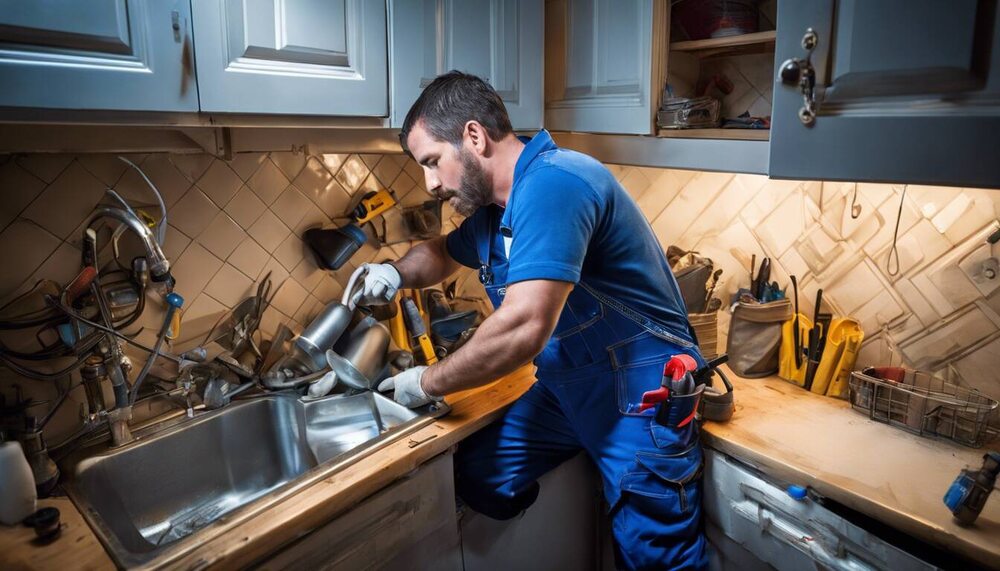
Relocating often requires juggling several responsibilities at once, from preparing your home for departure to arranging transportation for your vehicle. These tasks can quickly become overwhelming if not handled strategically. When plumbing issues appear during the moving process, it becomes essential to contact watsonvilleplumbers.com so repairs or inspections can be handled before they create larger complications.

Handling plumbing work early in the moving timeline prevents last-minute emergencies that could delay your plans. At the same time, arranging vehicle transport requires its own preparation and coordination. With the right planning, both services can fit smoothly into your moving schedule.

Planning Vehicle Shipping Without Delays

Transporting a vehicle across long distances requires scheduling with a licensed auto transport provider. Most companies recommend booking transportation at least one to two weeks in advance to ensure availability and reasonable pricing.

During the planning stage, homeowners often get quote from cosmos auto transport to understand shipping options, estimated delivery windows, and overall transport costs. Comparing quotes and timelines helps determine which service best fits the relocation schedule.

Vehicle preparation is also an important step. Removing personal items, documenting the car’s condition, and confirming pickup details all help prevent delays on transport day. By coordinating these steps with your home maintenance schedule, you can avoid conflicts between service appointments.

Preparing Your Property Before Transport Arrangements

Before scheduling vehicle transportation, homeowners should focus on making sure their property is in good working condition. Plumbing is one of the most critical systems to inspect before leaving a home, especially if the property will remain vacant for some time or is being handed over to new occupants.

Small leaks, slow drains, or weak water pressure may seem minor at first, but can turn into major issues if they are left unresolved. Addressing these concerns early helps protect the structure of the property and prevents unnecessary repair costs later.

A professional plumbing inspection may include:

  • Checking exposed pipes for corrosion or cracks
  • Testing faucets, toilets, and drains
  • Evaluating water heater performance
  • Confirming that shutoff valves function correctly
  • Inspecting outdoor plumbing connections

Taking care of these tasks early allows homeowners to move forward confidently with other aspects of their relocation plan.

Why Scheduling Services Early Matters

One of the most common mistakes people make during relocation is waiting too long to arrange essential services. When plumbing repairs or transport bookings are delayed, scheduling options become limited, and costs can increase.

Planning early offers several advantages:

  1. Greater flexibility with service providers
  2. Lower stress during the moving process
  3. Reduced risk of emergency plumbing issues
  4. Better control over moving timelines
  5. More affordable transportation pricing

With enough preparation time, both plumbing professionals and transport companies can work within your preferred schedule.

Learning From Trusted Moving Guidelines

Many consumers are unaware that vehicle transport and moving services follow strict federal regulations designed to protect customers. Understanding these rules can help you avoid scams and ensure you work with licensed companies.

The U.S. Bureau of Labor Statistics provides helpful information about the plumbing profession and the services plumbers offer. Their official page explains job responsibilities, industry demand, training requirements, and typical work environments for plumbers, pipefitters, and steamfitters. These insights help homeowners better understand the expertise behind professional plumbing services and the value skilled technicians bring when handling repairs, installations, or maintenance tasks.

Creating A Simple Moving Strategy

A well-organized moving strategy helps ensure that all tasks are completed efficiently. Instead of handling everything at once, breaking the process into manageable steps can significantly reduce stress.

A typical relocation checklist might include:

  • Schedule plumbing inspection and repairs
  • Confirm vehicle transport booking
  • Prepare the home for departure or sale
  • Organize important moving documents
  • Confirm pickup and delivery schedules

Following a structured plan helps ensure nothing important is overlooked.

Balancing Home Maintenance And Vehicle Transport

Although plumbing services and vehicle shipping may seem unrelated, they often occur at the same stage of the relocation process. Coordinating these services can save time and prevent unnecessary complications.

Reliable plumbing professionals keep your home systems functioning properly, while experienced auto transport companies safely deliver vehicles to your destination. When both services are arranged in advance, the overall moving experience becomes much easier to manage.